
How https://crushon.ai/trends/furry Is Reshaping AI Character Design
AI companion platforms have moved far beyond generic chatbots. Today, users expect personality, visual identity, and a sense of creative ownership over the characters they interact with. One of the clearest examples of this shift can be found at https://crushon.ai/trends/furry, a trends page that highlights how furry-inspired AI characters have become a meaningful part of the broader companion ecosystem. Understanding this trend matters not just for fans of anthropomorphic art, but for anyone tracking where conversational AI, character design, and online communities are heading next.
In this article, we will explore what the furry trend on Crushon actually represents, why it has gained momentum, how it fits into the wider world of AI roleplay, and what it suggests about the future of personalized digital characters. We will also look at practical considerations for users who want to explore this space responsibly.
What the Furry Trend on Crushon Actually Means
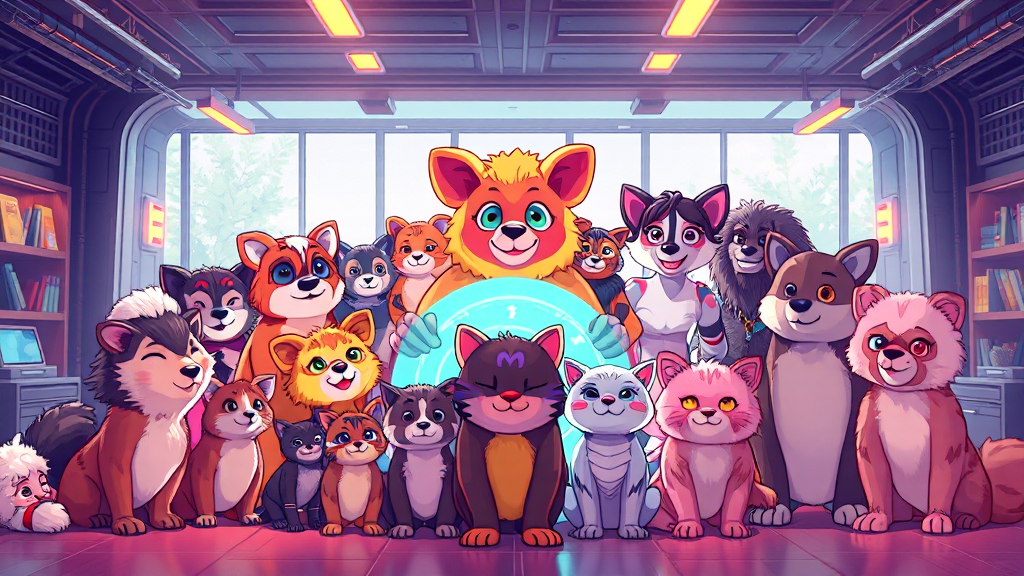
The term “furry” refers to a subculture built around anthropomorphic animal characters — creatures that blend human traits with animal features. This community has existed for decades in art, fiction, and online forums, but AI platforms have given it a new dimension. Instead of simply viewing static artwork or reading stories, users can now hold conversations with furry characters that have distinct voices, backstories, and personalities.
The trends page at Crushon functions as a window into what users are actively creating and engaging with. Rather than a curated editorial list, it reflects organic demand. When furry characters consistently appear in trending sections, it signals that a substantial portion of the user base is investing time in these personas. That investment takes the form of character creation, chat sessions, and community sharing.
What makes this different from earlier waves of furry content is the interactive layer. A user can design a character with specific species traits, personality quirks, and conversational style, then return to that character repeatedly. Over time, the character develops a kind of continuity that feels more personal than a one-off image or story.
Why Anthropomorphic AI Characters Are Gaining Ground
There are several reasons why furry-themed AI characters have found a strong audience. The first is creative freedom. Anthropomorphic designs allow for a wider range of visual and personality expression than strictly human characters. A user can blend traits that would not normally coexist — a calm, scholarly wolf, a mischievous fox inventor, or a gentle dragon librarian — without the constraints of human realism.
The second reason is emotional distance and safety. For some users, interacting with a non-human character lowers the social pressure that can come with human-like AI companions. A furry persona can feel playful and low-stakes, which makes it easier to explore conversation topics, humor, or roleplay scenarios that might otherwise feel awkward.
The third reason is community identity. The furry fandom has a long history of collaborative creativity, from art commissions to shared lore. AI platforms extend that tradition by letting users build characters that others can discover and interact with. Trending pages become a form of social proof, showing which character concepts resonate with the widest audience.
Finally, there is the sheer variety. Because furry characters are not bound to a single species or aesthetic, the design space is enormous. That variety keeps the trend from feeling repetitive, which is often a problem for more narrowly defined character categories.
How Crushon Fits Into the Broader AI Companion Landscape
Crushon positions itself as a platform for AI character interaction, and its trends page is one of the more transparent ways to see what the user base is actually doing. Instead of guessing what people want, the platform surfaces real engagement data. That makes it useful for both casual users looking for inspiration and creators who want to understand what kinds of characters perform well.
Within the broader AI companion space, Crushon occupies an interesting middle ground. It is not purely a roleplay engine, nor is it strictly a character design tool. It combines elements of both, allowing users to create, customize, and converse with characters in a single environment. The furry trend is a natural fit for this model because it rewards both visual creativity and conversational depth.
Compared to platforms that focus only on human-like companions, Crushon’s openness to anthropomorphic characters gives it a distinct identity. That identity attracts users who might otherwise feel that mainstream AI companions are too narrow in scope. It also creates a feedback loop: as more furry characters are created, more users discover them through trends, which in turn encourages more creation.
Designing a Furry AI Character: Practical Considerations
For users who want to explore this trend, character design is the starting point. A well-designed furry AI character typically has a few key elements. The first is a clear species or hybrid concept. This does not need to be biologically consistent, but it should be visually and narratively coherent. A character described as a “forest guardian with fox and deer traits” gives the AI more to work with than a vague “animal person.”
The second element is personality. Species alone does not make a character interesting. Traits like curiosity, loyalty, sarcasm, or shyness shape how conversations unfold. The best characters have a mix of traits that create friction or warmth, rather than a single dominant mood.
The third element is backstory. Even a short backstory gives the AI context for how the character speaks and what they care about. A character who grew up in a mountain village will reference different things than one who spent their life in a city. These details make conversations feel less generic.
The fourth element is visual consistency. If the platform supports character images or avatars, keeping the visual design aligned with the personality helps users stay immersed. A chaotic, brightly colored character paired with a calm, formal speaking style can work, but it should be an intentional choice rather than an accident.
Finally, users should think about boundaries. AI characters can be designed for many types of interaction, and it is worth deciding in advance what kind of experience you want. Clear design intentions lead to more satisfying conversations and fewer surprises.
The Creative and Social Impact of the Furry AI Trend
The rise of furry AI characters is not just a niche curiosity. It reflects a broader shift in how people relate to digital media. Instead of consuming content passively, users are increasingly co-creating it. They design characters, refine them over time, and share them with others. This participatory model is one of the defining features of modern online culture.
For the furry community specifically, AI characters offer a new outlet for expression. Artists who once focused on static commissions can now design interactive personas. Writers who enjoy crafting lore can build characters that respond in real time. Fans who simply enjoy the aesthetic can find characters that match their tastes without needing to commission custom art.
There are also social benefits. Trending pages create a shared reference point. Users can discuss which characters are popular, why certain designs work, and how to improve their own creations. That kind of conversation builds community around a shared interest, which is one of the strongest drivers of long-term engagement on any platform.
At the same time, it is worth acknowledging that AI characters are not a replacement for human relationships. They are a creative medium, a form of entertainment, and sometimes a tool for self-expression. Keeping that perspective helps users enjoy the trend without overstating what it offers.
What the Trend Suggests About the Future of AI Characters
If the furry trend on Crushon is any indication, the future of AI characters is likely to be more diverse, more personalized, and more community-driven. Users are not satisfied with a small set of predefined personas. They want to build characters that reflect their own interests, aesthetics, and storytelling preferences.
This suggests that platforms will continue to invest in customization tools, character discovery features, and community functions. Trends pages like the one at Crushon are an early example of how platforms can surface organic demand and help users find characters that match their tastes. As the technology improves, we can expect characters to become more consistent, more expressive, and more capable of sustaining long-term interactions.
It also suggests that niche communities will play a larger role in shaping AI platforms. The furry fandom is just one example. Other subcultures — from fantasy roleplayers to sci-fi enthusiasts — are likely to follow similar patterns. The platforms that thrive will be those that support a wide range of creative identities rather than forcing everyone into a single mold.
For now, the furry trend on Crushon is a useful case study. It shows how a specific community can drive engagement, how character design can become a collaborative activity, and how AI can serve as a creative tool rather than just a utility. Whether you are a longtime furry fan or simply curious about where AI companions are heading, this trend is worth paying attention to.
FAQ
What is the furry trend on Crushon?
The furry trend on Crushon refers to the growing popularity of anthropomorphic AI characters on the platform. These characters blend human traits with animal features and are created, shared, and interacted with by users. The trends page highlights which characters and concepts are currently gaining the most engagement.
Do I need to be part of the furry fandom to enjoy these characters?
No. While the trend originates from the furry community, anyone can create or interact with anthropomorphic characters. Many users are drawn to the creativity and variety of these designs, regardless of whether they identify with the fandom itself.
How do I create a furry AI character on Crushon?
Creating a character typically involves defining a species or hybrid concept, choosing personality traits, writing a short backstory, and selecting or generating a visual design. The more detail you provide, the more consistent and engaging the character’s conversations tend to be.
Are furry AI characters safe to interact with?
As with any AI interaction, safety depends on how you use the platform and what boundaries you set. It is a good idea to decide in advance what kind of experience you want, avoid sharing personal information, and treat the interaction as a creative activity rather than a substitute for human relationships.
Why are furry characters so popular in AI roleplay?
They offer a combination of creative freedom, emotional distance, and visual variety. Anthropomorphic designs allow for a wider range of personalities and aesthetics than strictly human characters, which keeps the experience fresh and encourages ongoing engagement.